

Training in the inspection and control of low voltage electronic installations
2013-1-GR1-LEO01-14808 · 2013. 1ο ΕΠΑΛ Trikala — inspection and control of low-voltage installations to European standards.

Initial Vocational Training and Entrepreneurship Development in Rural Areas
2013-1-GR1-LEO01-14844 · March 2014. EPAL Farkadonas — vocational training and entrepreneurship opportunities in rural areas.

Implementation of modern ERP systems in enterprises
2012-1-GR1-LEO01-09965 · 2012. Twenty students of the 1st EPAL of Metsovo specialising in economics and administration.

EVTUM LDV Partnerships project
2012-1-ES1-LEO04-51544. Enrich Vocational Training Through Unconventional Methods — partners across eight EU countries.

Energy & Environmental Design of Buildings
LLP-LdV-PLM-CY-1671156 · March 2012, Barcelona. Energy and environmental design training for architects and civil engineers.

Bakery and Confectionery
PRO.CO.F · May 2013, France. Training at Ecole Lenôtre for professionals in the bakery and confectionery sector.
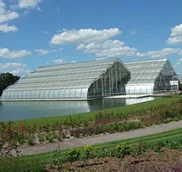
Management of modern Greenhouses
LLP-LdV-PLM-CY-1671106 · March 2013, Italy. Design, construction and management of modern greenhouses for farmers.
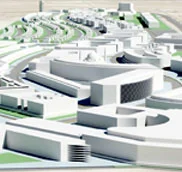
Planning and Designing of Urban Spaces
LLP-LdV-PLM-CY-1671260 · September 2013, Barcelona. Urban environmental planning and networking for engineers.

Application of geographic information systems (GIS) in environmental management
LLP-LdV-PLM-CY-1671259 · June 2013, Barcelona. GIS for environmental management, aimed at graduates of Forestry departments.

Holistic management of biological cultivations
LLP-LdV-PLM-CY-1671367 · March–April 2013, Almería. Holistic management of organic cultivation for biological producers and farmers.

Alternative Agro-Food Supply Systems
Grundtvig Learning Partnership (AltAFoodSS) — nine partner organisations across Europe developing alternative agro-food supply systems.